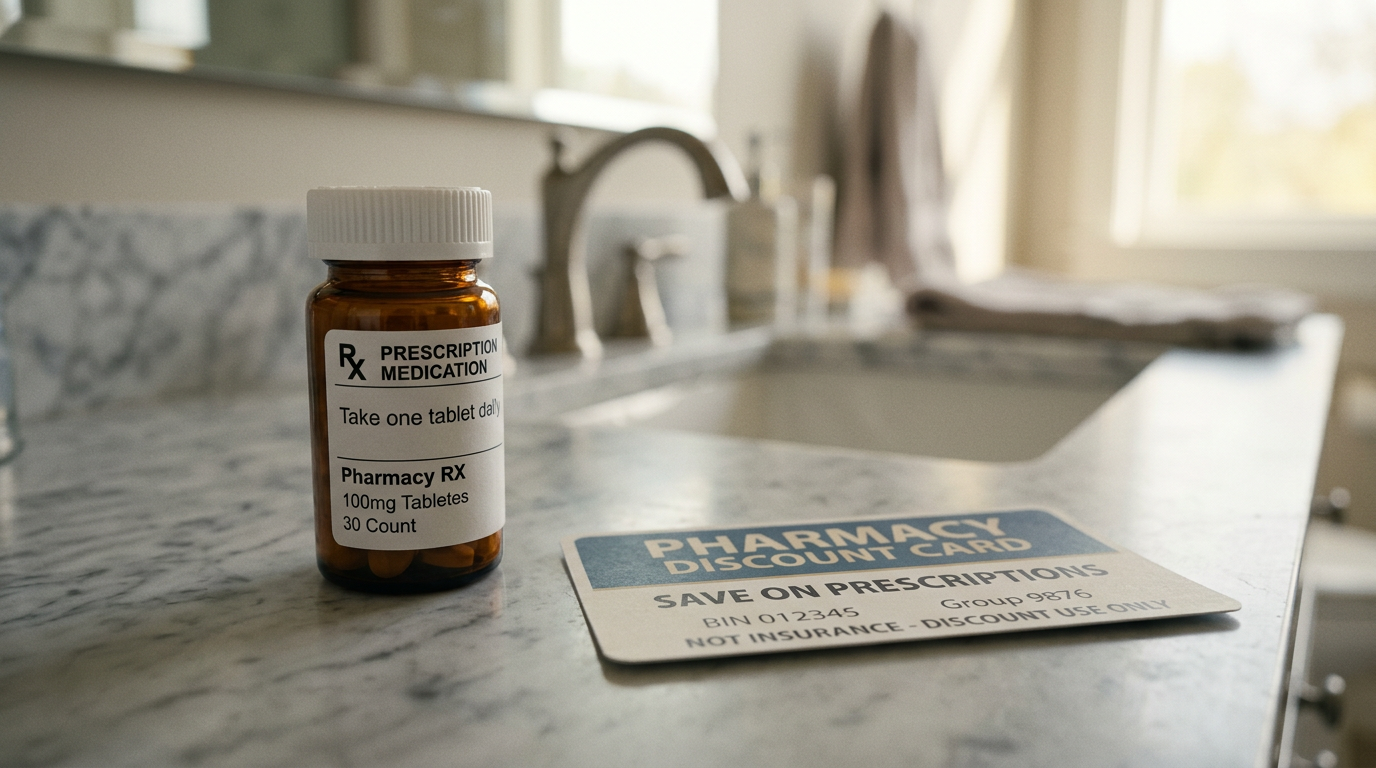
Fake Prescription Drug Discount Cards
A caller offers a discount card that requires your Medicare number and a small activation fee.
November 1, 2025 · 3 min read
What happened?
This article is being researched and will be published shortly by the SilverSafe editorial team. Below is a general overview of how this type of scam usually plays out.
A caller offers a discount card that requires your Medicare number and a small activation fee.
Who is being targeted?
Older adults are the primary target, but anyone can be affected. Scammers often reach thousands of people at once and only need a few to respond.
How the scam works
- 1Contact is made through a phone call, text, email, or website.
- 2The scammer creates urgency, fear, or excitement to push a fast decision.
- 3You are asked to pay, share personal information, or click a link.
- 4Once you comply, the scammer disappears or asks for more.
Warning signs
⚠ Unexpected contact you did not initiate
⚠ Pressure to act immediately
⚠ Requests for gift cards, wire transfers, or crypto
⚠ Asks you to keep the conversation secret
⚠ Links or numbers that do not match the real organization
What you should do
- ✓Stop and take a breath. Real organizations do not demand instant action.
- ✓Hang up, delete the message, or close the browser tab.
- ✓Call SAM at 844-8-ASK-SAM to confirm before responding.
- ✓Report the scam at reportfraud.ftc.gov.
Already responded?
If you already interacted with the scammer, act quickly — the sooner you move, the more you can protect.
- !Contact your bank right away if you sent money or shared account details.
- !Change any passwords you shared and enable two-factor authentication.
- !Report the incident to the FTC and your local police.
- !Call SAM for next steps. You are not alone, and acting quickly matters.
Ask SAM
Still not sure?
Call or message SAM before taking any action. Your first 2 scam checks are free, and SAM is private and available 24/7.