The Florida AI Pet Photo Scam That's Fooling Pet Owners
Scammers scrape photos of lost pets from Facebook, then text owners posing as a shelter or good samaritan demanding a fee. Here is how SAM spots it.
June 1, 2025 · 4 min read · Updated October 15, 2026
What happened?
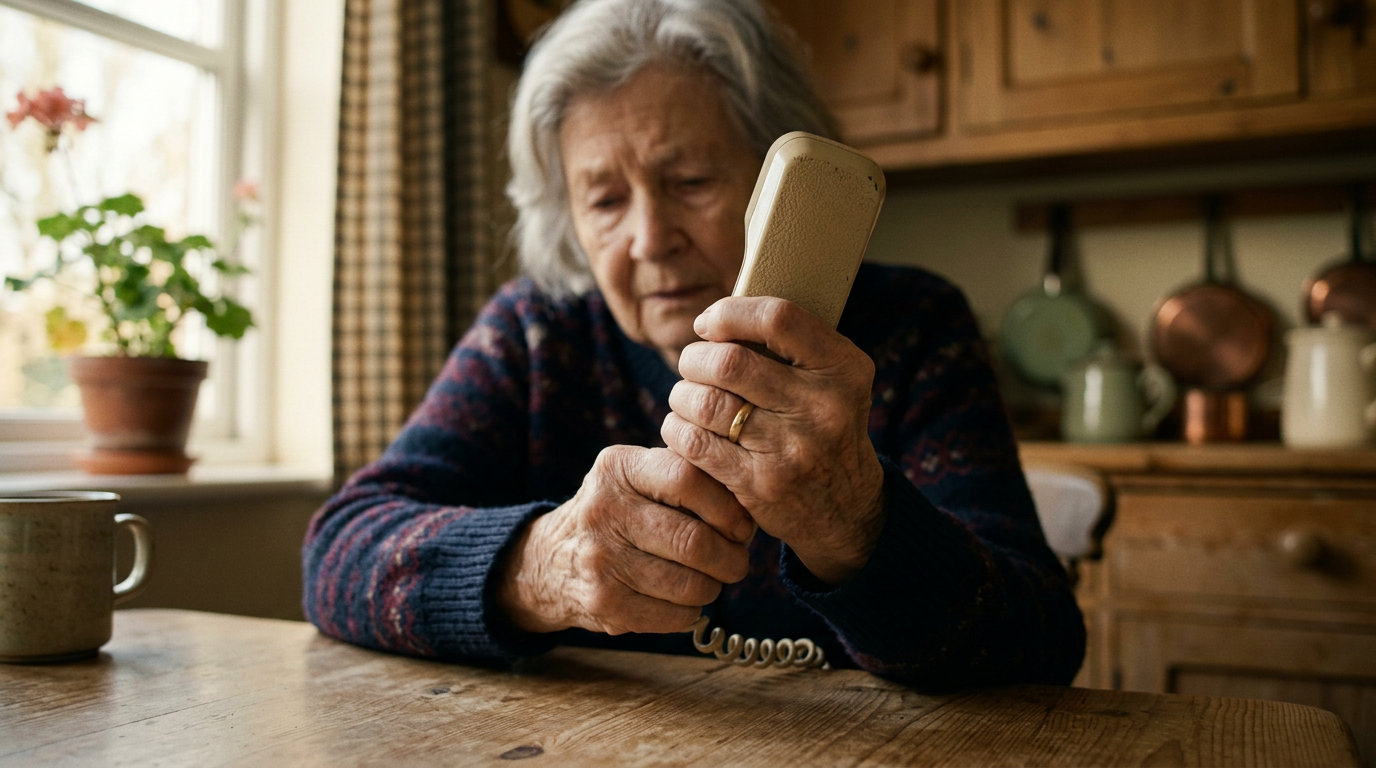
Pet owners across Florida are reporting a cruel new scam that uses artificial intelligence to make fake photos look real. Scammers pull images of missing pets straight from Facebook groups, then contact the owners with heartbreaking news.
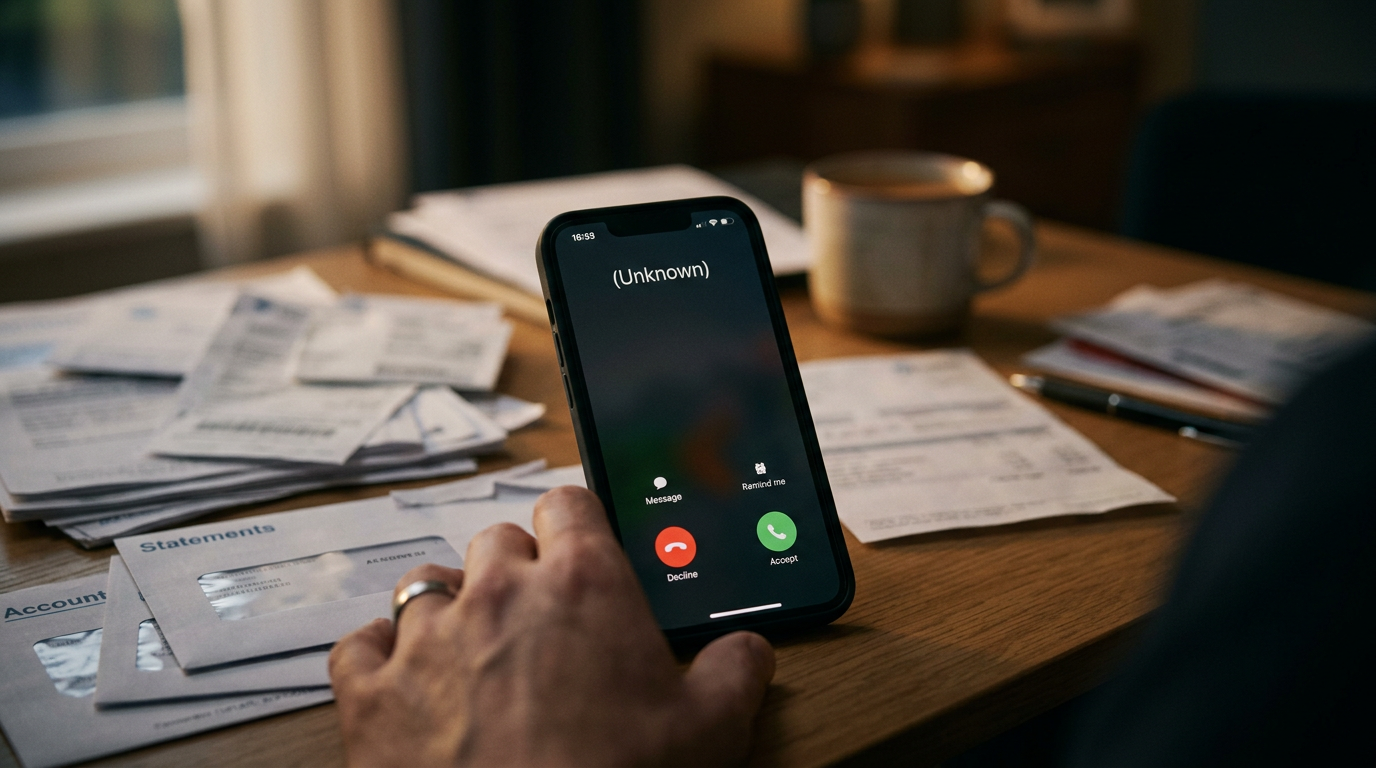
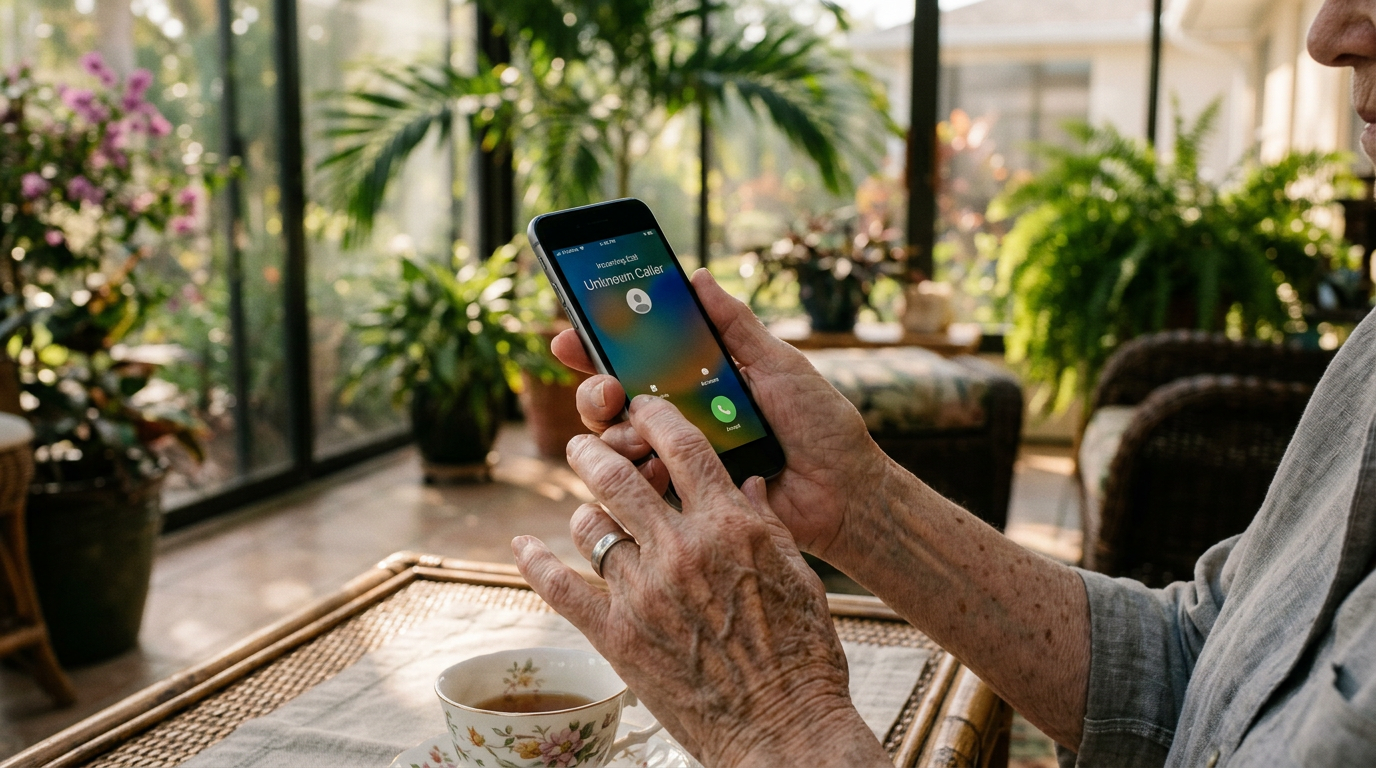
The text message looks legitimate. It includes a photo of the pet and claims the animal was found at a local shelter or by a good samaritan. The catch: the sender demands a fee for transportation, storage, or emergency veterinary care before returning the pet.
In reality, the pet was never found. The photo was scraped from the owner's own social media post. The scammer is simply exploiting grief and hope to extract quick payment through apps, wire transfers, or prepaid cards.
Who is being targeted?
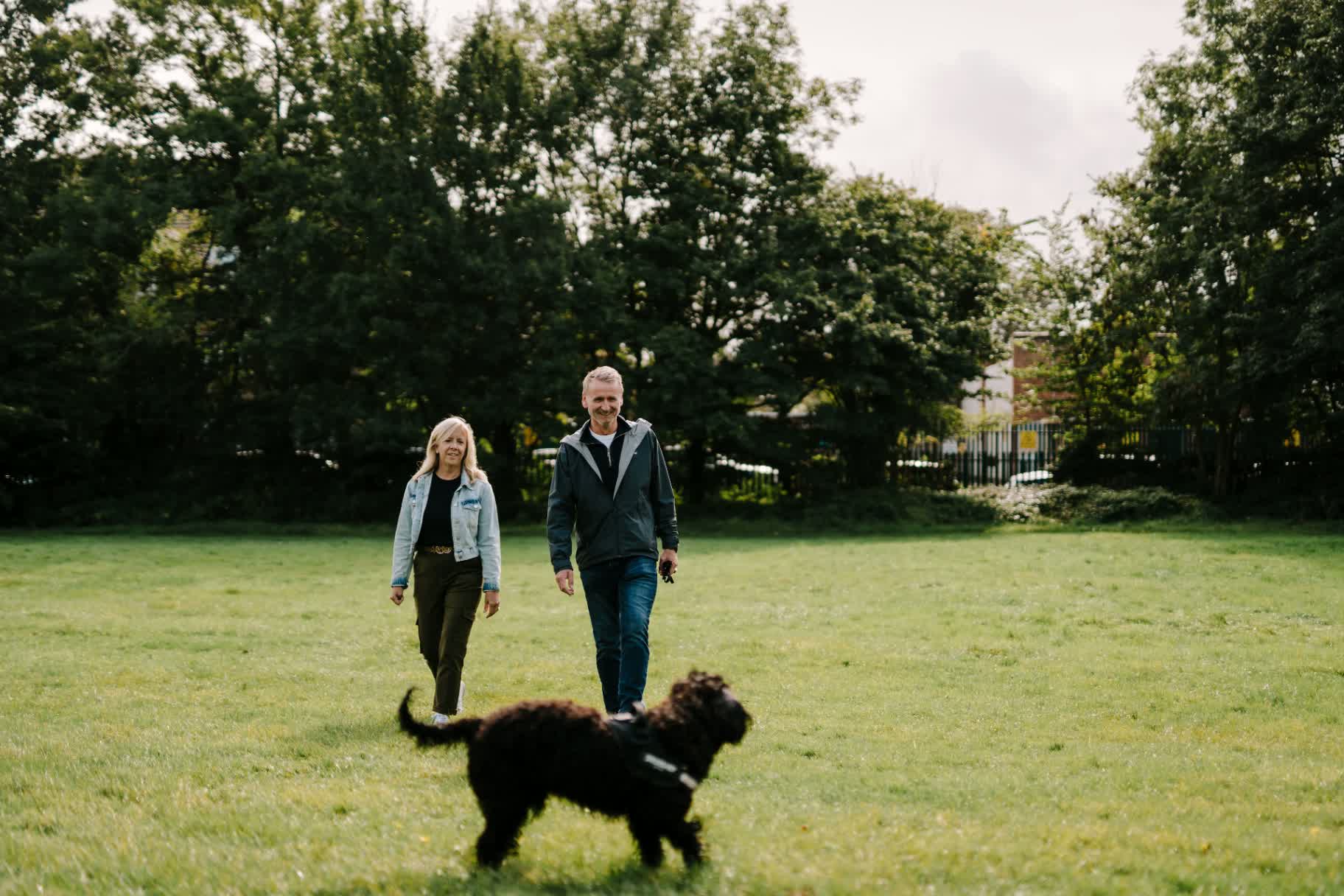
Pet owners who have publicly posted about a missing pet on Facebook, Nextdoor, or local community boards.
Anyone in a state where these scams have spread quickly, especially Florida, Texas, and California.
How the scam works
- 1Scammer finds a public lost-pet post on social media.
- 2They save the photo and copy the pet's name and description.
- 3They text or call the owner claiming the pet was found.
- 4They demand payment for transport, boarding, or emergency care.
- 5Once paid, the scammer blocks the owner and disappears.
Warning signs
⚠ Contact from a number that is not a known shelter or vet
⚠ Demand for payment before any verification
⚠ Refusal to send a live video of the pet
⚠ Urgent language about the pet's health
⚠ Payment requested by Venmo, Cash App, Zelle, or gift card
What you should do
- ✓Never pay a stranger who texts or calls claiming they found your pet.
- ✓Verify through official shelters and your microchip company directly.
- ✓Ask for a live video call before sending anything.
- ✓Text SAM the number to confirm it is a known scam.
Already responded?
If you already interacted with the scammer, act quickly — the sooner you move, the more you can protect.
- !Contact your bank or payment app to dispute the transfer immediately.
- !Report the scammer's number to the FTC and your local police.
- !Warn your local community group so no one else falls for the same script.
Ask SAM
Still not sure?
Call or message SAM before taking any action. Your first 2 scam checks are free, and SAM is private and available 24/7.