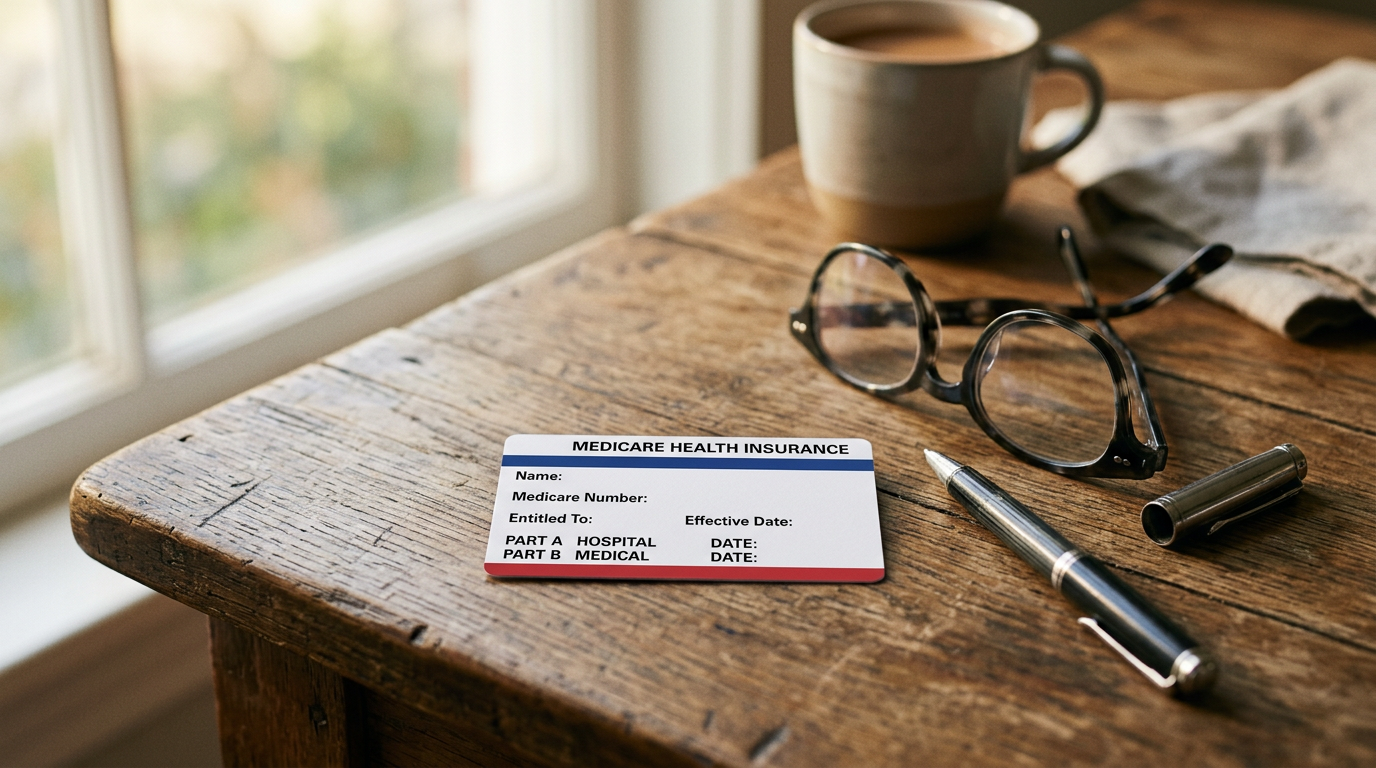
Your Medicare Card Is Changing — The Phone Scam Targeting Nearly 5 Million Floridians
Scammers are calling seniors claiming Medicare is issuing new cards and asking for personal information. Medicare confirms: these calls are 100 percent a scam.
February 14, 2025 · 4 min read
What happened?
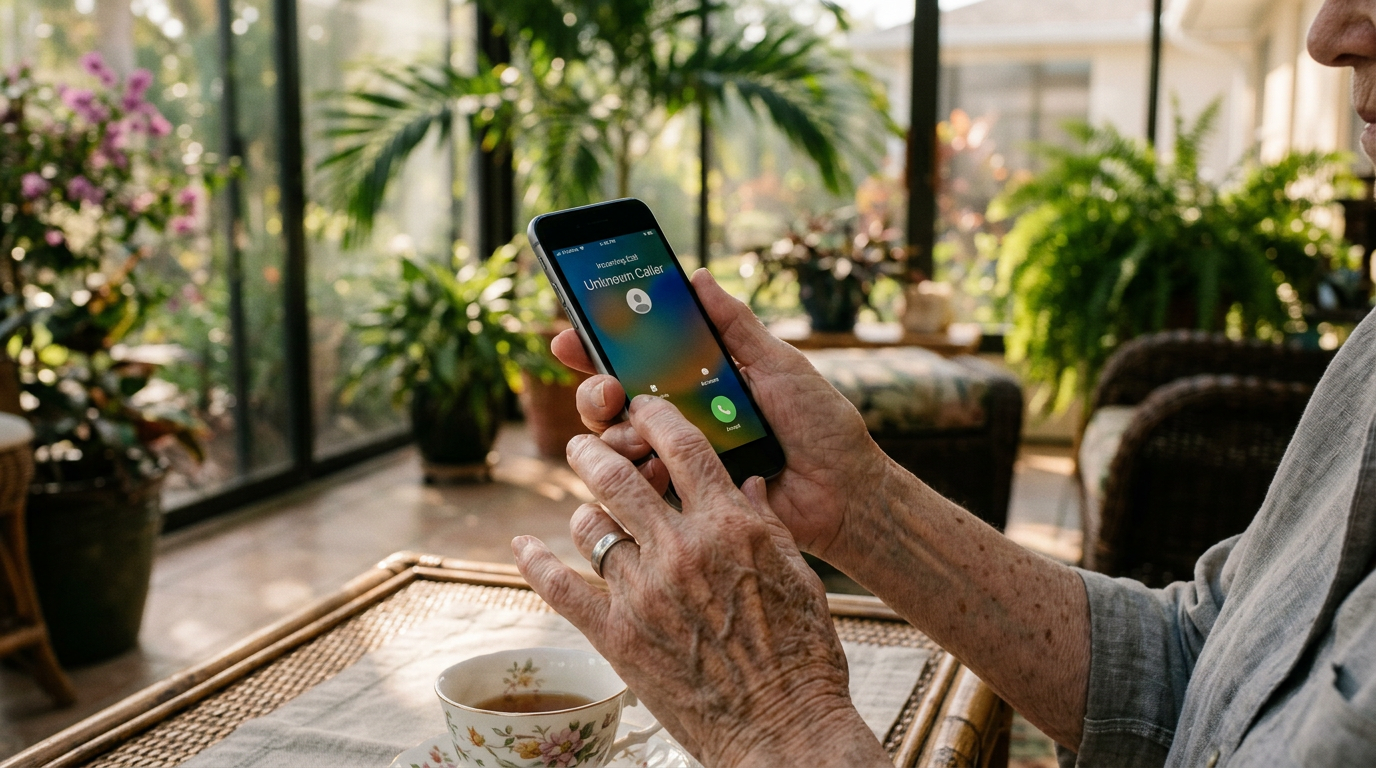
A wave of phone calls in Florida is targeting Medicare recipients with a simple lie: your card is being replaced, and we need to confirm your details to send the new one.
The caller sounds official. They already know your name and sometimes the last four digits of your Social Security number. They ask you to confirm the rest for verification.
Medicare is not issuing new cards. The agency confirms these calls are fraudulent. Anyone who provides their full Social Security number, banking details, or Medicare ID is handing identity thieves the keys to their benefits.
Who is being targeted?
Medicare beneficiaries in Florida, though the scam is spreading nationally.
Anyone whose phone number appears in publicly leaked data breaches.
How the scam works
- 1Unsolicited call claims Medicare is issuing new cards.
- 2Caller already knows partial personal information to build trust.
- 3You are asked to confirm your SSN or Medicare ID.
- 4The scammer uses your data to bill Medicare or open credit lines.
Warning signs
⚠ Any call claiming Medicare is issuing a new card
⚠ Requests to verify your Social Security number
⚠ Callers who already know some of your personal details
⚠ Threats of losing coverage
What you should do
- ✓Hang up. Medicare will never call you unsolicited for this.
- ✓Call 1-800-MEDICARE if you want to check your account.
- ✓Never confirm personal information over the phone.
- ✓Text SAM to verify any suspicious number.
- ✓To stop Medicare scam calls like these, hang up immediately, block the number, and report the call to 1-800-MEDICARE and the FTC at reportfraud.ftc.gov.
Already responded?
If you already interacted with the scammer, act quickly — the sooner you move, the more you can protect.
- !Report the call to 1-800-MEDICARE and the FTC.
- !Place a fraud alert on your credit report.
- !Monitor your Medicare statements closely for months.
Ask SAM
Still not sure?
Call or message SAM before taking any action. Your first 2 scam checks are free, and SAM is private and available 24/7.