PayPal Invoice Phishing Emails
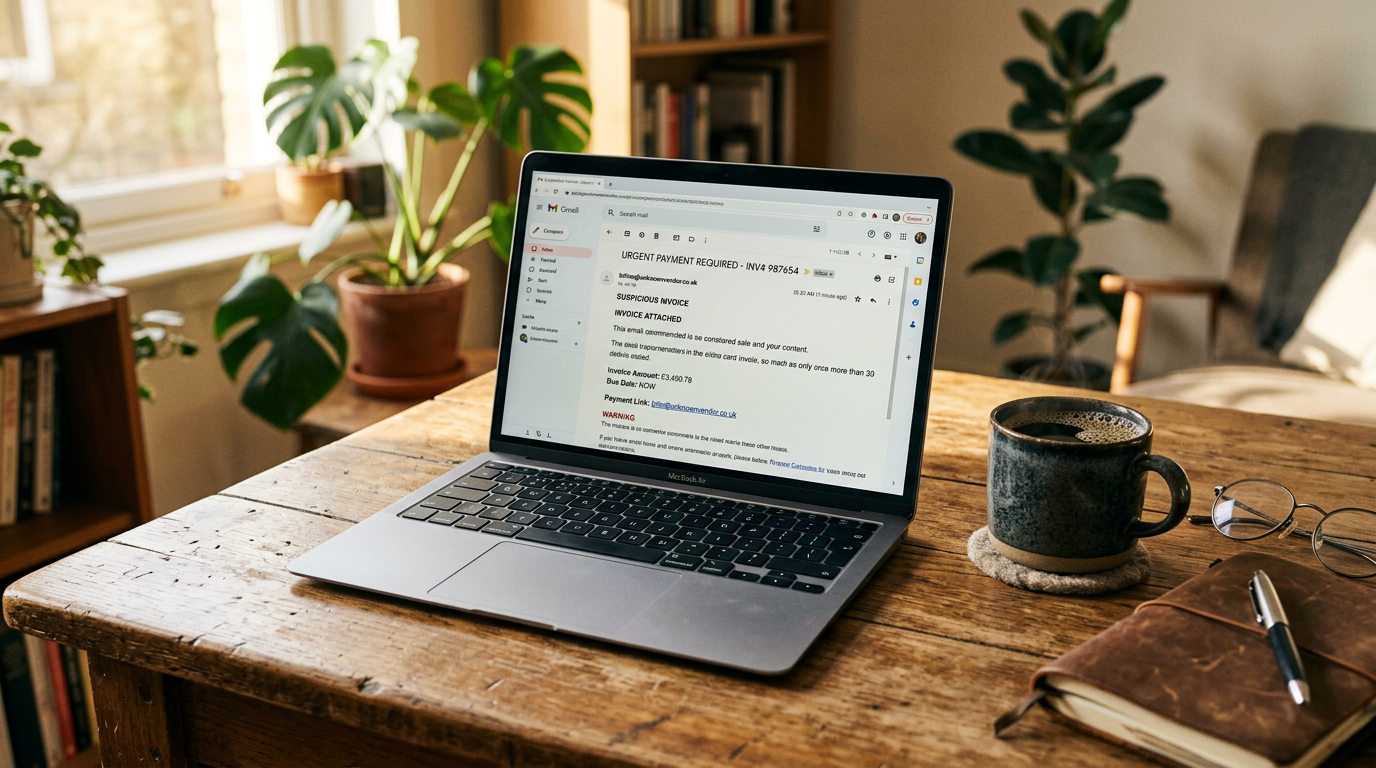
A PayPal-looking invoice arrives for something you never bought. The dispute number is the trap.
November 1, 2025 · 3 min read
What happened?
This article is being researched and will be published shortly by the SilverSafe editorial team. Below is a general overview of how this type of scam usually plays out.
A PayPal-looking invoice arrives for something you never bought. The dispute number is the trap.
Who is being targeted?
Older adults are the primary target, but anyone can be affected. Scammers often reach thousands of people at once and only need a few to respond.
How the scam works
- 1Contact is made through a phone call, text, email, or website.
- 2The scammer creates urgency, fear, or excitement to push a fast decision.
- 3You are asked to pay, share personal information, or click a link.
- 4Once you comply, the scammer disappears or asks for more.
Warning signs
⚠ Unexpected contact you did not initiate
⚠ Pressure to act immediately
⚠ Requests for gift cards, wire transfers, or crypto
⚠ Asks you to keep the conversation secret
⚠ Links or numbers that do not match the real organization
What you should do
- ✓Stop and take a breath. Real organizations do not demand instant action.
- ✓Hang up, delete the message, or close the browser tab.
- ✓Call SAM at 844-8-ASK-SAM to confirm before responding.
- ✓Report the scam at reportfraud.ftc.gov.
Already responded?
If you already interacted with the scammer, act quickly — the sooner you move, the more you can protect.
- !Contact your bank right away if you sent money or shared account details.
- !Change any passwords you shared and enable two-factor authentication.
- !Report the incident to the FTC and your local police.
- !Call SAM for next steps. You are not alone, and acting quickly matters.
Ask SAM
Still not sure?
Call or message SAM before taking any action. Your first 2 scam checks are free, and SAM is private and available 24/7.