Pig Butchering: The Slow Crypto Scam Draining Retirements
Someone you met online builds trust for weeks, then coaches you into a cryptocurrency “investment” on a site or app that shows fake profits. When you try to withdraw, new taxes or fees appear. That pig-butchering pattern is designed to drain savings—including retirement funds.
November 1, 2025 · 4 min read · Updated November 9, 2026
What happened?
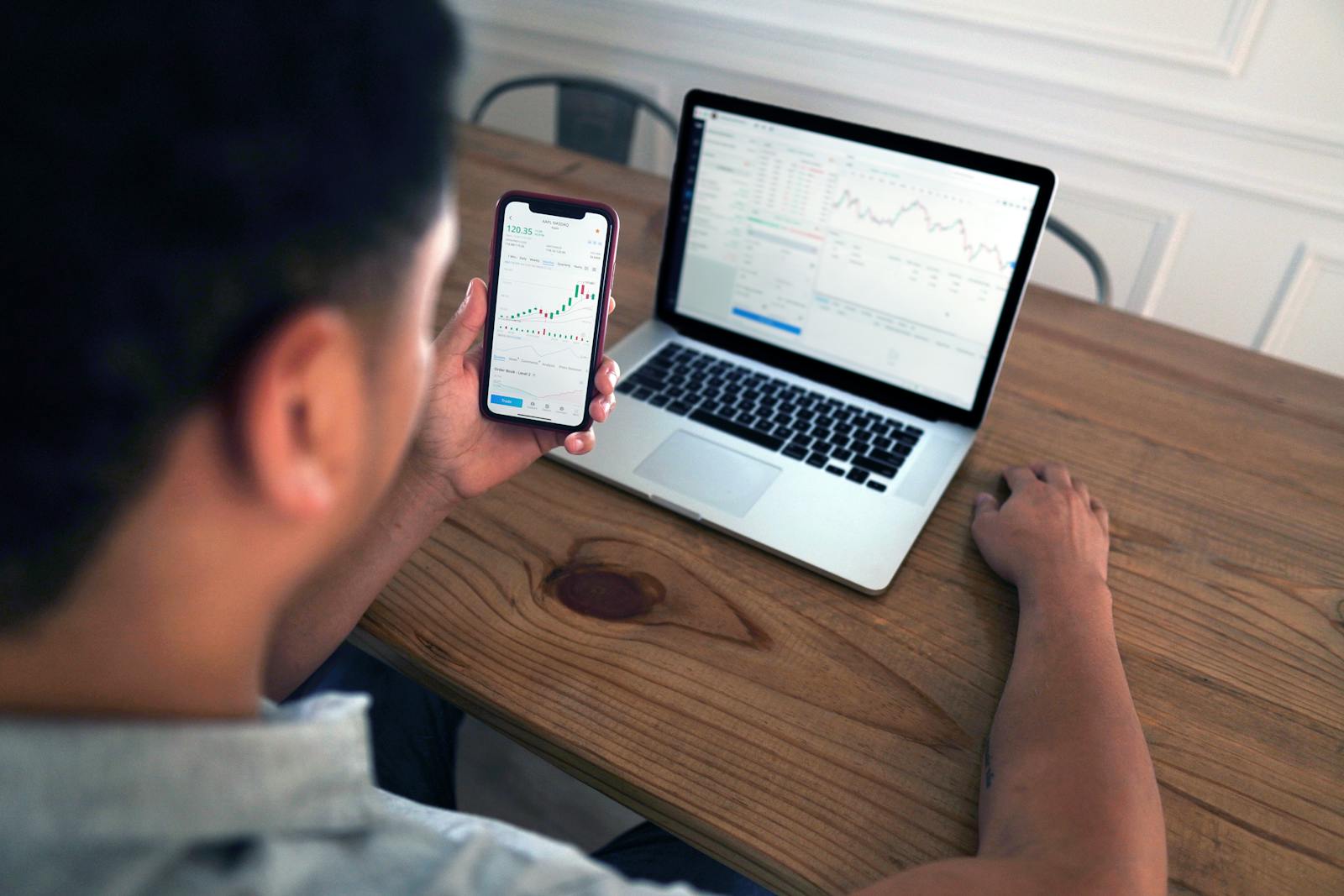
A friendly stranger messages you on a dating app, social network, or even a “wrong number” text. They are patient. They talk for days or weeks about life, hobbies, and trust. Eventually they mention how well they do trading cryptocurrency. They offer to show you their method. They walk you through downloading an app or opening an account on a sleek website. Early “profits” appear on the screen. They urge you to invest more—sometimes including retirement savings. When you try to cash out, the platform demands taxes, fees, or extra deposits first. The money does not come back.
Law enforcement describes this as a “pig butchering” cryptocurrency investment scheme: criminals fatten trust, then slaughter the savings. An FBI IC3 public service announcement explains that fraudsters pose as successful traders, contact people on social media or dating apps, spend time gaining confidence, coach continuous deposits, display fictitious returns on fake sites or apps, and then demand more money for supposed taxes or fees when victims try to withdraw. Losses can be severe. Payment may involve wires, prepaid cards, cryptocurrency, or crypto ATMs.
This article describes that scam pattern. It is not a claim about one named victim or one named platform. The point for readers is the shape of the trap: romance or friendship first, fake portfolio second, blocked withdrawal last.
You are not greedy for wanting a better return. These schemes are built to look personal and professional at the same time. Before you send crypto or wire money to anyone you met online, pause, talk to someone you trust offline, and call or text SAM at 844-8-ASK-SAM.
Who is being targeted?
Adults with retirement savings or home equity who are open to a new friend or partner online are prime targets for long-game crypto investment fraud.
People who are lonely, newly single, or spending a lot of time on dating and social apps may see more of these approaches.
Anyone can be contacted; scammers customize the story to the victim’s age, interests, and finances.
Caregivers should watch for a parent who suddenly talks about a new online friend teaching them to trade.
How the scam works
- 1Contact starts with a friendly chat, dating profile, or “wrong number” that turns into daily conversation.
- 2After trust is built, the person steers talk toward cryptocurrency trading and offers to teach you.
- 3They guide you to a website or app—often with a slightly misspelled or unfamiliar name—that shows rising balances.
- 4They push larger deposits, wires, prepaid cards, or crypto transfers, celebrating fake gains along the way.
- 5When you try to withdraw, “taxes,” “fees,” or technical problems appear; the site or the friend vanishes, and the funds are gone.
Warning signs
⚠ An online-only relationship that turns into investment coaching
⚠ Guaranteed or unusually steady profits with little risk
⚠ Pressure to deposit more after early “wins” on an unfamiliar platform
⚠ Withdrawal blocked unless you pay new taxes or fees out of pocket
⚠ Requests to keep the trading secret from family
⚠ A platform that lets you withdraw a small amount once, then blocks larger cash-outs unless you pay more
What you should do
- ✓Do not send cryptocurrency, wires, or prepaid-card value to someone you know only online.
- ✓Treat “pay a fee to withdraw your profits” as a hard stop—especially on a platform a new friend chose for you.
- ✓Verify any investment story with a trusted offline advisor or family member before moving retirement money.
- ✓Avoid downloading trading apps solely because a chat contact told you to, unless you can independently confirm they are legitimate.
- ✓Save usernames, wallet addresses, chat logs, and transaction records if something already feels wrong.
- ✓Call or text SAM at 844-8-ASK-SAM to talk through the messages before you send more money—scam-check help, not a guarantee of recovery or prevention.
Already responded?
If you already interacted with the scammer, act quickly — the sooner you move, the more you can protect.
- !If the person affected is age 60 or older, call the National Elder Fraud Hotline at 833-372-8311 (Monday–Friday, 10:00 a.m.–6:00 p.m. eastern time; English/Español/other languages) for free case-manager help with reporting. Do not give money or a Social Security number to anyone who cold-calls claiming to be that hotline — [OVC hotline page](https://ovc.ojp.gov/program/stop-elder-fraud/providing-help-restoring-hope).
- !Contact your bank, credit union, or card issuer immediately about wires or card payments and ask about recalls or fraud claims.
- !If cryptocurrency was sent, contact the exchange or wallet support you used, report the addresses involved, and keep a written timeline.
- !Stop all contact with the online “trader” or romantic interest; do not pay more fees to unlock funds.
- !File a complaint with the FBI’s Internet Crime Complaint Center at [ic3.gov](https://www.ic3.gov/) (include contact details and transaction data when you can) and report at [reportfraud.ftc.gov](https://reportfraud.ftc.gov/).
Ask SAM
Still not sure?
Call or message SAM before taking any action. Your first 2 scam checks are free, and SAM is private and available 24/7.