Medicare Scam Calls: What They Sound Like and How to Hang Up Safely
Medicare scam calls are one of the most common frauds targeting older adults. Learn the exact phrases scammers use, what real Medicare will never do, and how to report them.
September 26, 2026 · 5 min read
What happened?
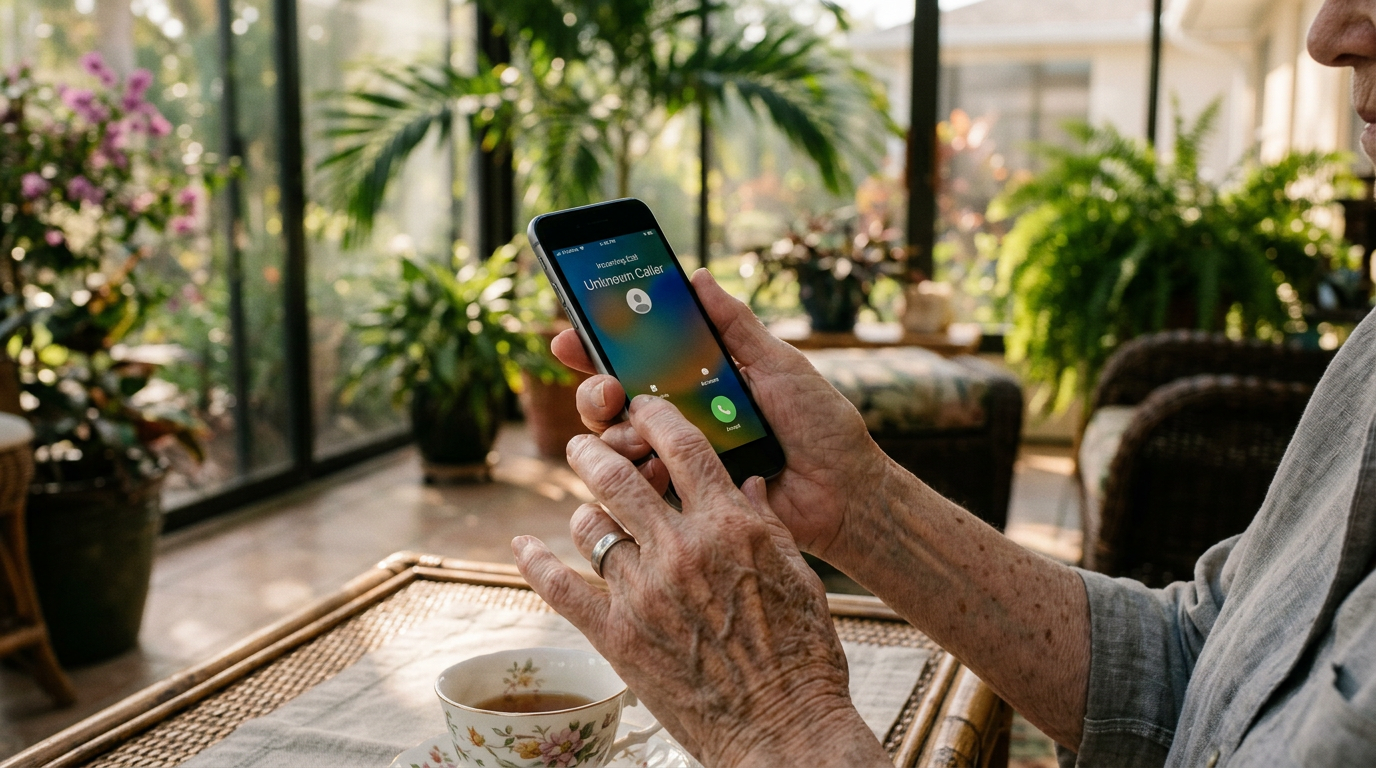
Medicare scam calls are among the most reported frauds targeting Americans over 65. The phone rings, and a friendly, professional voice claims to be from Medicare, a Medicare partner, or a health plan working with Medicare. The caller ID may even say Medicare or a government agency. It is not.
The caller's goal is always the same: your Medicare number, your Social Security number, or your bank details. With your Medicare number, scammers bill the government for fake equipment, fake tests, and fake services in your name. With your Social Security number, they open credit lines. With your bank details, they take your money directly.
The pitches change with the seasons. During open enrollment, callers pretend to help you compare plans. Other times they offer free back braces, genetic testing, a grocery or flex card, or a refund on overpaid premiums. Every version ends with a request to confirm your personal information.
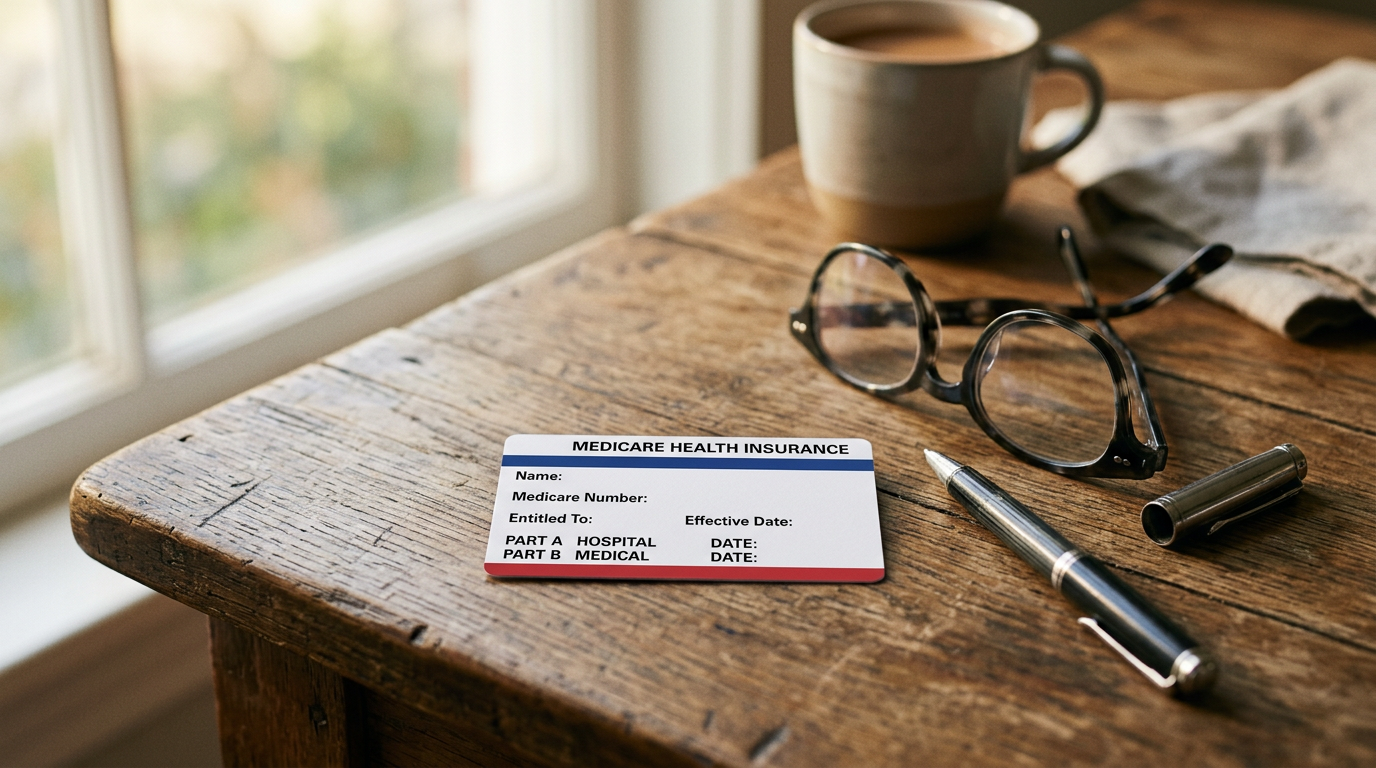
Here is the single most important fact: Medicare will never call you out of the blue to ask for your Medicare number, Social Security number, or bank information. Medicare communicates by mail. Any unexpected call asking for these details is a scam, no matter how official it sounds.
Who is being targeted?
Anyone enrolled in Medicare, especially people who recently turned 65.
Seniors during the fall open enrollment period, when real plan mail makes fake calls harder to spot.
People whose phone numbers appeared in data breaches, which scammers buy to target older adults.
Caregivers who answer the phone for a parent or spouse on Medicare.
How the scam works
- 1You receive an unexpected call that appears to come from Medicare or a health plan.
- 2The caller offers something free or warns that your benefits, card, or coverage is at risk.
- 3They ask you to confirm your Medicare number, Social Security number, or bank details.
- 4Your information is used to bill Medicare for fake services or to steal from your accounts.
- 5Months later, strange charges appear on your Medicare statements that you never received.
Warning signs
⚠ Any unsolicited call claiming to be from Medicare
⚠ Offers of free medical equipment, genetic tests, or grocery cards by phone
⚠ Threats that your benefits will be cancelled if you do not act now
⚠ Requests to confirm your Medicare or Social Security number
⚠ Pressure to decide during the call instead of receiving something in writing
⚠ A caller who gets angry or keeps you on the line when you hesitate
What you should do
- ✓Hang up. Do not press any buttons and do not say yes to anything.
- ✓Never give your Medicare number to someone who called you. Treat it like a credit card number.
- ✓If you want to check on your coverage, call 1-800-MEDICARE yourself or visit Medicare.gov.
- ✓Block the number, but expect new ones. Scammers rotate numbers constantly.
- ✓Report Medicare scam calls to 1-800-MEDICARE and the FTC at reportfraud.ftc.gov.
- ✓Not sure about a call? Ask SAM. Call or text SAM at 844-8-ASK-SAM and describe what the caller said before you share anything.
Already responded?
If you already interacted with the scammer, act quickly — the sooner you move, the more you can protect.
- !Call 1-800-MEDICARE right away and explain what information you shared.
- !Review your Medicare Summary Notices for services, equipment, or tests you never received.
- !If you shared your Social Security number, place a fraud alert at one of the three credit bureaus.
- !If you shared bank details, call your bank immediately to protect the account.
- !Report the call to the FTC at reportfraud.ftc.gov and to your local Senior Medicare Patrol.
Ask SAM
Still not sure?
Call or message SAM before taking any action. It's free, private, and available 24/7.