Medicare Scam Phone Calls: How to Spot Them and What to Do
November 21, 2026 · 8 min read
Medicare scam phone calls usually start with a call you did not ask for. The caller says they are from Medicare, offers a new card, a refund or a free item, and asks for your Medicare number or bank details. The best move is to hang up and call back using a number you find yourself, such as the one on the back of your Medicare card.
You do not have to be rude, and you do not have to prove anything. You can end the call at any point. This guide covers the warning signs, the exact words to say, what to do about calls that keep coming, and how to report one.
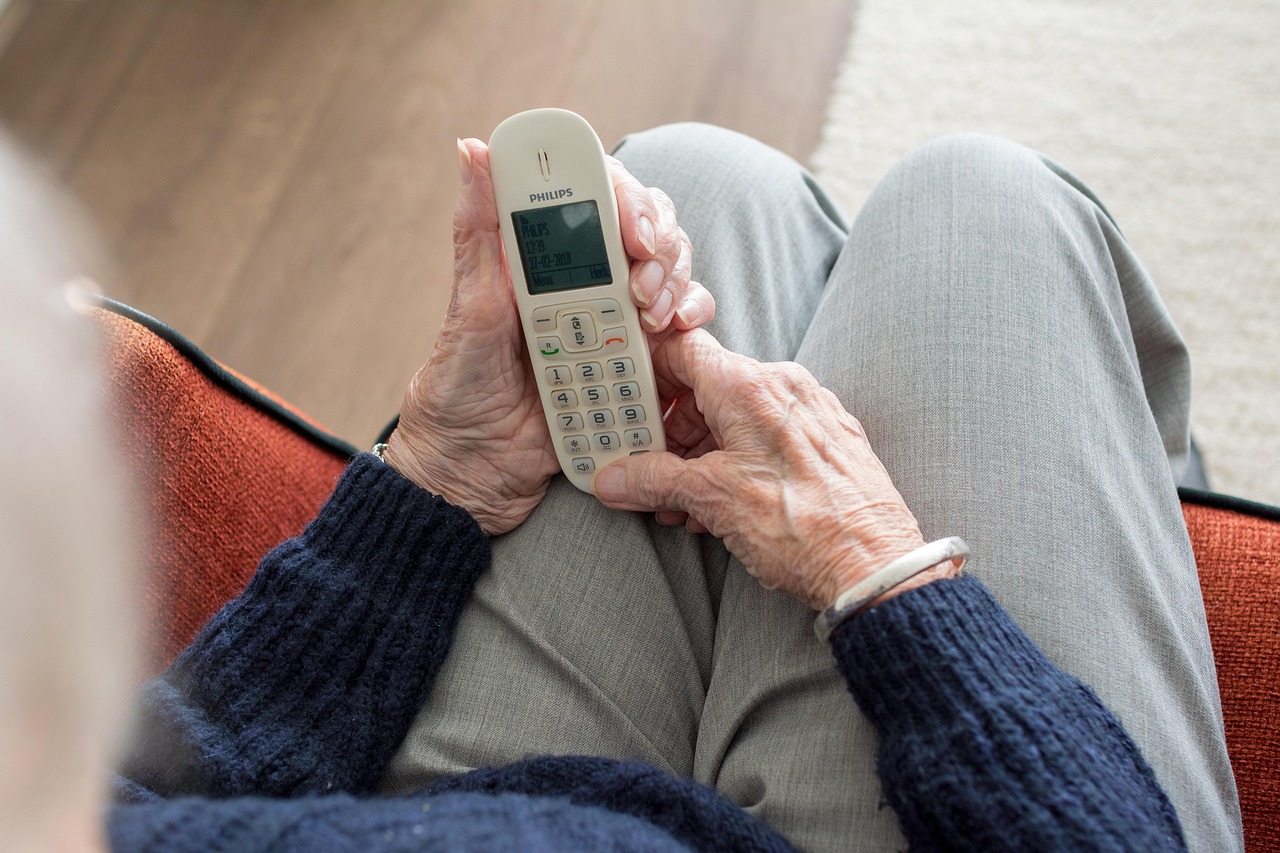
Photo by sabinevanerp on Pixabay
What Medicare scam calls sound like
The voice may be friendly, rushed or very official. Some calls start with a recording. Others have a real person who uses a name and an "ID number" to sound believable. The story changes, but the goal is the same: get your Medicare number, your Social Security number or your money.
Here are stories callers often use:
- "We are sending you a new Medicare card. We just need to confirm your number."
- "You are owed a refund. Give us your bank account so we can deposit it."
- "You qualify for a free back brace, genetic test or medical kit."
- "Your coverage is about to end unless you act today."
- "We need to update your file. Please read us the number on your card."
Your Medicare number can be used to bill for care you never got. That is why a caller who wants it is worth a second look, even if the call sounds routine. For more on how this plays out, see our article on Medicare "new card" phone scams.
How can I tell if a Medicare call is legitimate?
You usually cannot tell from the call alone. Scammers can fake caller ID so it looks like a real agency or a local number. A good voice or a correct name does not prove anything either.
So do not try to judge the caller. Judge the call. These are the warning signs to look for:
- You did not ask for the call.
- The caller asks for your Medicare number, Social Security number or bank details.
- The caller says you must act right now or lose coverage.
- You are told to keep the call secret or not to talk to family.
- You are asked to pay with gift cards, a wire, a payment app or crypto.
- The caller gets angry or pushy when you say you will call back.
- The offer is free, but they still need your personal numbers.
One warning sign is enough to stop. A real office will not mind if you hang up and call back. A scammer will push you to stay on the line.
If you want to check on your coverage, find the phone number yourself. Use the number on the back of your Medicare card, or one printed on a statement you already have. Do not use a number the caller gives you, and do not press a button to call back.
What to say before you hang up
Most people freeze when a caller sounds official. Having a few words ready makes it easier. You can use any of these:
- "I do not give out personal information on calls I did not start. I will call the number on my card."
- "Please send this to me in writing."
- "I am going to hang up now and call back myself."
- "I do not discuss my health coverage over the phone. Goodbye."
Then hang up. Do not wait for a reply. Do not say yes to "just confirm your name." Do not press 1 or 2 to "speak to someone" or to be "removed from the list." Pressing buttons can tell the system your number is active.
If a parent gets these calls
If you help an older parent, try giving them one simple rule. Something like this works well:
"Mom, if anyone calls about Medicare, you never have to answer. Just say, 'I will call back on the number on my card,' and hang up. If you are not sure, call me first. You will never be in trouble for hanging up."
Ask them not to feel embarrassed if they already shared something. Many smart, careful people get caught by these calls. Shame keeps people quiet, and quiet is what scammers want. Our article on what to do if your elderly parent is being scammed has more ideas for that talk.
What can I do about Medicare spam calls every day?
If your phone rings 30 times a day, you are not alone, and it is not your fault. No single step ends all of it. But a few steps together can cut the number down.
- 1Add your number to the National Do Not Call Registry. Scammers often ignore it, so it will not stop them. It may cut down on calls from real companies, which makes the odd calls easier to notice.
- 2Ask your phone company what call blocking or spam labeling tools they offer. Many carriers have free ones.
- 3Check your phone's settings for an option to silence unknown callers. Calls from numbers not in your contacts go to voicemail.
- 4Do not answer unknown numbers when you can avoid it. Real callers often leave a message.
- 5Never press a number to opt out. Hang up instead.
- 6Save the numbers of family, doctors and pharmacies in your contacts, so you know who is calling.
SAM Screening, now in beta, is another option. It asks unknown callers who they are and why they are calling before your phone rings. Saved contacts ring straight through. It does not promise to catch every bad call, but it adds a pause between a stranger and your attention.
What if I already gave out my Medicare number or bank information?
Take a breath. Acting quickly helps, and you can do it in small steps.
If you shared your Medicare number
Call the number on the back of your Medicare card. You can say:
"I gave my Medicare number to a caller I do not know. Can you help me check my recent claims and tell me whether I need a new card?"
Then look over your Medicare statements for anything you do not recognize, such as a service, a piece of equipment or a visit that never happened. Our article on Medicare identity theft explains what to look for.
If you shared bank or card details
Call the number on the back of your bank card, not one the caller gave you. You can say:
"I think I gave my account information to a scammer. Can you review my recent activity, tell me what you can do about any charges I did not make, and explain how to change my account or card number?"
If you paid with a gift card or sent money
Call the company or bank that handled the payment right away and tell them it was a scam. Ask what options exist. Be aware that money sent this way is often hard to recover. For more on this kind of payment, see gift card payment scams.
If you gave your Social Security number
Go to IdentityTheft.gov for a recovery plan. You will find it in the trusted sources below.
How do I report a Medicare scam call?
Reporting takes a few minutes. You can report it to the FTC with our free step by step guide. Have the date, the phone number that showed on your screen, what the caller said, and whether you lost any money or shared any numbers.
A report helps investigators spot patterns across many calls. It does not guarantee that anyone will investigate your case or that you will get money back. It is still worth doing, because your report may help connect the dots.
You can also talk to a person. These lines are free:
- FTC: 1-877-382-4357
- National Elder Fraud Hotline: 833-372-8311
- AARP Fraud Watch Network Helpline: 877-908-3360
SilverSafe AI is a private company, not a government agency. Our guide walks you through the official reporting steps, but it is not part of the FTC.
Get a second opinion from SAM
If you hang up and still wonder about a call, a text or a link, SAM can help. SAM is an AI companion you call or text after the call ends. It does not listen in on live calls. You tell SAM what happened, and SAM points out warning signs and suggests next steps.
Call or text SAM at 844‑8‑ASK‑SAM.
Ask SAM
Still not sure?
Call or message SAM before taking any action. Your first 2 scam checks are free, and SAM is private and available 24/7.
Common questions
What can I do about Medicare spam calls?
Do not answer unknown numbers when you can avoid it, and never press buttons to opt out. Use your carrier's call blocking tools and your phone's silence unknown callers setting. Report the calls using our free guide.
How do I stop 30 spam calls a day?
No one step stops them all. Combine the Do Not Call Registry, carrier tools, your phone settings and a rule of letting unknown numbers go to voicemail. SAM Screening, now in beta, also asks unknown callers who they are before your phone rings.
What are some signs that a phone call is actually a scammer?
The call was unexpected, the caller wants personal numbers, you are rushed, you are told to keep it secret, or you are asked to pay with gift cards or crypto. Any one of these is a reason to hang up and check on your own.
How can I tell if a Medicare call is legitimate?
You cannot tell from caller ID or a convincing voice. Hang up and call the number on the back of your Medicare card instead. If the matter is real, they can help you there.